

The Seven Stages of Intoxication
Alcohol-related dementia can occur at any age, and it is expected to worsen rapidly (within a few years) after the initial symptoms begin. Individuals in recovery are encouraged to engage in aftercare programs, which may consist https://ecosoberhouse.com/ of therapy sessions, regular check-ins, and relapse prevention strategies. Alcohol use disorder (AUD) follows a systematic progression through distinct stages, each with its own characteristics and consequences.
- Blood alcohol content, or blood alcohol concentration, (BAC) measures the amount of alcohol in your blood.
- Alcohol-related dementia is gradually progressive, and it worsens over time.
- During the Pre-Alcoholic Stage, individuals engage in social or binge drinking, utilizing alcohol as a pathway to relieve stress, anxiety, or boost self-esteem.
What Is a Standard Drink?
- Your understanding of the above consents and disclaimers is greatly appreciated.
- Unlike ethanol or isopropanol, methanol does not cause nearly as much of an inebriated state.
- If your loved one is still conscious, see if you can get him to lie down on his side or drink a little water.
In the fourth stage of being drunk, people may be disoriented, emotionally volatile, and dizzy. At this stage, you become confused and unable to respond to your surroundings. Because this stage severely hinders your physical and mental functioning, it can lead to falls, drownings, and other accidents. You will have trouble walking and may even be unable to stand up. They might make you think twice about how you own your limits. It is absorbed through the lining of your stomach into your bloodstream.
Mental Health Resources
It results from the stages of alcohol intoxication consumption of an excessive amount of alcohol within a relatively brief time. When one consumes alcohol at a faster rate than their body can metabolize it, they become intoxicated. The impaired judgment you have when drinking alcohol may cause you to think that you can still drive, regardless of your BAC. Drivers with a BAC of 0.08 or more are 11 times more likely to be killed in a single-vehicle crash than non-drinking drivers. Some states have higher penalties for people who drive with high BAC (0.15 to 0.20 or above) due to the increased risk of fatal accidents. It’s a myth that a person can recover from alcohol intoxication by sleeping, taking a cold shower, going for a walk, or drinking black coffee or caffeine.
Can Treatment Reverse It?
People may have exaggerated emotional episodes, and their balance may be all but gone. They may have feelings of numbness and become unaware of their surroundings. At 0.45 BAC or above, many people are unable to sustain essential life functions, and the risk of respiratory arrest and death occurring is almost certain. After an episode of alcohol intoxication, it takes time to recover. The person will be hospitalized until their vital signs return to normal.
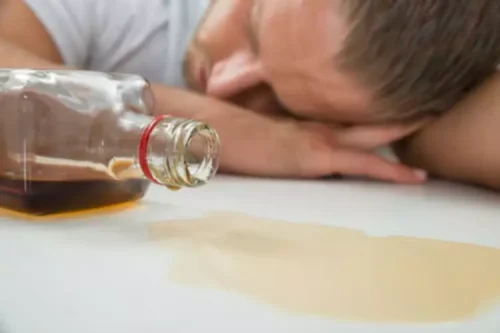
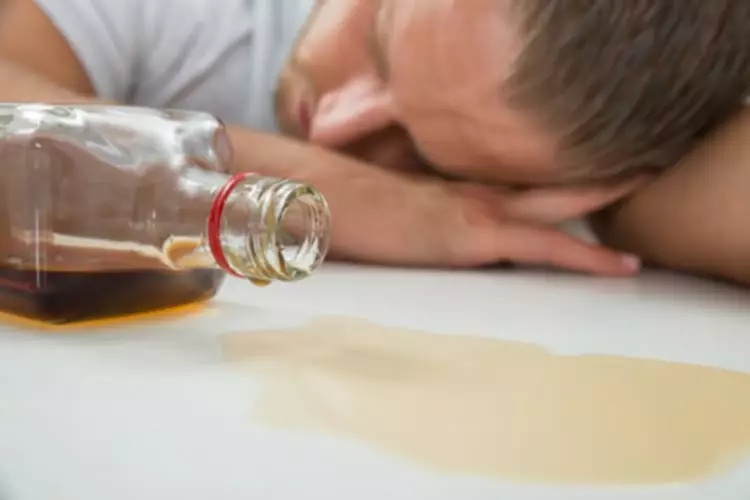
Coma

Choking on one’s vomit would be disastrous and may even be fatal, so we have to monitor people reaching this stage closely. “Intoxication occurs when alcohol intake exceeds your body’s ability to metabolize alcohol and break it down,” explains Amanda Donald, MD, a specialist in addiction medicine at Northwestern Medicine. At a BAC of 0.45 percent or above, a person is likely to die from alcohol intoxication. Emergency medical attention is necessary at this point to avoid death and severe health problems. This stage of intoxication is marked by emotional outbursts and a major loss of coordination.
Greater Boston Addiction Centers
Immediate medical intervention is crucial to address these health challenges and to initiate recovery, as the risks of overdose and death substantially increase without professional support. It’s important to understand the stages of alcohol intoxication and be able to recognize the signs that you may need help for alcohol abuse or addiction. Realizing you have a problem with alcohol may be the first step toward getting the treatment and support you need to recover. A glass of wine, cocktail, or beer can give people feelings of calm and relaxation.
thought on “Stages of Drunkenness”
- With one drink, your reaction time and judgment may be impaired.
- Options may include inpatient or outpatient detoxification from alcohol, and sometimes, medication is necessary to help a person stop drinking.
- Drinking heavily for a prolonged period can lead to tolerance–needing to consume more alcohol to get the same effects.
- Onset of other signs and symptoms can be delayed for up to hours.
- As people drink more, they begin to have more pronounced impairment in their balance, coordination, speech, and attention.
Examination findings correlate with the signs and symptoms, as previously described. If vision is impaired, the pupils may be dilated and minimally reactive or unreactive to light. Over several days, the red disc becomes pale, and the patient may become blind. Typically, marijuana addiction subjective complaints precede physical findings in the eye. Because one of the primary end-organs involved in methanol is the eye, the patient may complain of difficulty seeing.